The history of classic car paintwork—colorful memories of times gone by
Choosing the right color for your classic car is closely linked to the history of classic car paintwork. All the colors and paint finishes that have been used over the decades tell not only the story of the vehicle in question, but also the story of the era in which it was built. If you want to paint your classic car, you should choose the paint color carefully, because different colors were in vogue in different decades. The color of classic cars therefore also plays an important role in restoration. Find out which paint colors are right for you with us!
Painting classic cars—the colors of the past
Classic cars are more than just vehicles: they are history books on four wheels, and their paintwork is a colorful reminder of times gone by. One of the most striking and memorable features of a classic car is undoubtedly its paintwork, as it is one of the first things that catches our eye. It is therefore worth taking a brief look at the beginnings of the automotive industry and examining its further developments across the various eras.
Vehicle paintwork at the beginning of the 20th century
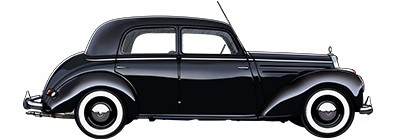
In the early days of automobile manufacturing, at the beginning of the 20th century, cars were often painted in plain black. This choice of color had less to do with aesthetics than with the availability and durability of the paint. Black dried quickly and was also easy to apply, which facilitated mass production in automobile manufacturing.
Car paints in the 1920s – a new shine emerges
Over the years, more and more colors were introduced in paint shops. In the 1920s, so-called fish silver paints were used, which were the first variants of metallic paint. For this purpose, the shiny silver scales of white fish were ground with water until the shiny coating of the scales settled. With this painting method, customers could choose between seven colors.
The variety of body colors continues to grow!
Two-tone paintwork was particularly popular in the 1950s. The name "two-tone paintwork" comes from the fact that certain parts of the car, such as the roof, were painted in a different color to the rest of the vehicle. Pastel colors were also very popular during this decade. One reason they were frequently used was that clear paints faded over time and lost their shine, which was not the case with pastel colors. Pastel shades were also popular in areas other than the automotive industry at that time, as evidenced by the design of kitchen cabinets and porcelain, for example. Overall, the variety of car body colors continued to increase!
How did paint colors change in the 1960s, 70s, and 80s?
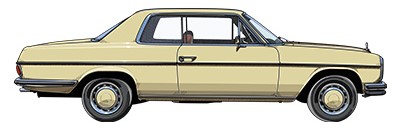
The colors of classic car paint jobs often reflect the fashion and spirit of their era. Until the end of the 1960s, white or cream paint colors were very popular. The 1970s, on the other hand, were characterized by striking, psychedelic colors. This development did not stop at the paint jobs of the cars of that time. The rule of thumb was: the smaller the car, the more eye-catching the paint color. However, this was soon no longer the case in the 1980s: this decade was characterized by inconspicuousness, which is why gray paint colors became very popular.
Decisive factors in choosing colors: authentic classic car restoration or a personal touch?
In vintage car restoration, the choice of paint colour plays a crucial role. Many restorers try to recreate the original colour and condition of a vehicle as accurately as possible in order to preserve its historical authenticity. Depending on the model and make, this often requires a little research.
However, there is also a trend towards individualising classic cars. Some owners deliberately opt for classic car colours that deviate from the original specifications to give their vehicle a very personal touch. This can help to make the vehicle particularly eye-catching and memorable.
Can the paint colour increase the value of a classic car?
We recommend: When choosing a colour, be sure to consider the long-term goal of your restoration project. If you want to sell your vintage car, the paint colour should be as close as possible to the original shade of the classic car, and it may be worth finding out the exact colour nuances so as not to cause a reduction in value due to overly individual colour decisions. With the exception of unusual artistic paintwork with rarity value, restraint is required when choosing a paint colour.
Painting classic cars - the psychological significance of the choice of colour
The choice of paint colour for classic cars can have a profound psychological effect. It can emphasise the personality of the vehicle and create a link to the history of the car or set completely new accents. Of course, there are no longer any limits to the choice of colours.
Classic black - elegance and timelessness as a colour
Classic black vintage cars exude elegance and timelessness. This colour was predominant in the early years of the automotive industry and is often associated with luxury and style. A black classic car can create a nostalgic connection to the roots of automotive history and appears valuable, reserved and sometimes solid.
Bright red - fearlessness
Bright red classic cars are often the stars of the road. This original colour symbolises passion, energy and attracts attention. A classic car with red paintwork is guaranteed to attract attention and convey a certain fearlessness.
Cream white - from the ‘good old days’
Creamy white paintwork is often reminiscent of the ‘good old days’ and radiates peace and security. A vintage car in cream white paint can awaken a longing for days gone by and create a romantic atmosphere.
Blue - the colour of calm and serenity
Blue is the colour of calm and serenity. A blue classic car can offer a relaxing driving experience and convey a sense of freedom. This is the perfect colour for those who want to enjoy the road and escape the stresses of everyday life.
Maintaining classic car paintwork - preserve and appreciate the shine
A gleaming classic car paintwork is the showpiece of your vehicle and deserves only the best care. With the right care, you not only preserve the historic charm of your classic car, but also protect the paintwork from damage such as scratches, fading and corrosion in the long term. To achieve this, we recommend our specially selected care products, which fulfil the special requirements of classic cars perfectly.
An absolute must for optimum paint care are high-quality wax products, which not only make the paint shine, but also effectively protect it from environmental influences. Our recommendations include exclusive wax products from Swissvax, which are recognised for their exceptional quality.
Painting a classic car - your very individual classic car
Painting a classic car is much more than just an aesthetic decision. It is a journey into the history of the vehicle and a way of expressing its personality. Whether classic black, bright red, creamy white or calming blue - each colour tells its own story. During restoration, it is important to preserve the historical authenticity, but you are also allowed to be creative and personalise the classic car according to your own ideas. After all, it is your very own classic car!
No matter what colour you choose, one thing is certain: a classic car is always a unique and impressive vehicle that attracts attention and makes people's hearts beat faster. Enjoy your journey into the past and keep history alive! Your Niemöller team.